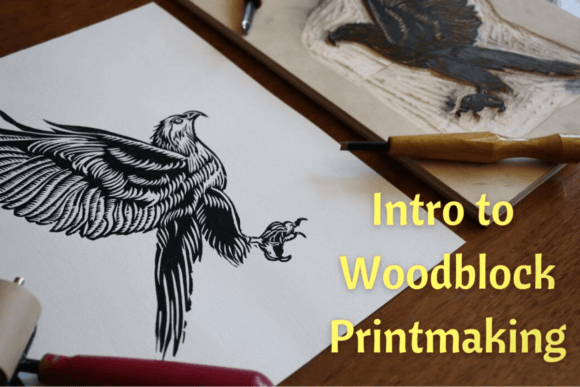
Introduction to Woodcut Printmaking
Woodcut printmaking is one of the oldest forms of printmaking, dating back over a thousand years. It involves carving an image into a block of wood and then using ink to transfer the design onto paper or fabric. This hands-on art form has been used throughout history for everything from religious texts to political satire. Today, it remains a popular medium for artists who appreciate its tactile nature and unique aesthetic.
What Is Woodcut Printmaking?
Woodcut printmaking is a relief printing technique where the artist carves away parts of a wooden block to create an image. The remaining raised areas are then inked and pressed onto paper to produce a print. Unlike other printmaking methods such as etching or lithography, woodcut relies on the physical removal of material to create the desired image.
The process begins with selecting the right type of wood. Hardwoods like maple, cherry, and basswood are commonly used because they are durable and have a fine grain that allows for detailed carving. Softwoods, such as pine, can also be used but may not hold up as well under repeated printing.
Tools and Materials
- Wood Block: The foundation of any woodcut print. Choose a block that is smooth, stable, and has a consistent grain pattern.
- Carving Tools: A variety of gouges and chisels are used to carve the design into the wood. These tools come in different shapes and sizes to accommodate various carving techniques.
- Ink: Specialized printmaking ink is used to apply color to the raised areas of the block. It must be thick enough to transfer cleanly but not too viscous to spread evenly.
- Paper: High-quality paper is essential for capturing the texture and detail of the print. Different papers can yield different results, so experimenting with various types is encouraged.
- Press: A simple press or even a heavy book can be used to transfer the ink from the block to the paper. Consistent pressure ensures a clear and sharp print.
Why Learn Woodcut Printmaking?
Learning woodcut printmaking offers more than just an artistic skill—it provides a deeper understanding of traditional craftsmanship and creativity. For beginners, it’s an accessible way to explore the world of printmaking without requiring advanced technical knowledge. For experienced artists, it presents a unique challenge and opportunity for innovation.
Woodcut printmaking is also a great way to connect with the past. Many historical works, including illuminated manuscripts and broadsheets, were created using this method. By learning woodcut, you become part of a long tradition of visual storytelling and artistic expression.
Additionally, woodcut printmaking encourages experimentation with natural materials and patterns. The grain of the wood itself can influence the final design, allowing artists to incorporate organic textures and motifs into their work. This makes each print unique and personal.
Common Misconceptions About Woodcut Printmaking
One common misconception is that woodcut printmaking is only for professionals or those with extensive experience. In reality, it is a skill that can be learned by anyone with patience and practice. Beginners can start with simple designs and gradually move to more complex projects as they gain confidence.
Another misunderstanding is that woodcut prints are limited to black and white. While many woodcuts are monochromatic, artists can use multiple blocks to create multi-colored prints. Each block is carved separately and printed in sequence, allowing for a wide range of color combinations.
Some people also believe that woodcut printmaking is outdated or irrelevant in today’s digital age. However, it continues to be valued for its tactile qualities and the authenticity it brings to each piece. Many contemporary artists use woodcut as a means of creating handcrafted, limited-edition prints that stand out in a world dominated by mass-produced media.
How to Get Started with Woodcut Printmaking
If you're interested in trying woodcut printmaking, there are several steps you can take to begin your journey:
- Choose Your Design: Start with a simple image or pattern. You can draw your design on paper first, then transfer it to the wood block using tracing paper or carbon paper.
- Select the Right Wood: Opt for a hardwood that is easy to carve and has a fine grain. Basswood is often recommended for beginners due to its softness and consistency.
- Carve Your Image: Use carving tools to remove the excess wood, leaving the design raised. Be careful to maintain the integrity of the lines and details.
- Ink the Block: Apply ink evenly to the raised areas of the block using a brayer. Make sure the ink is not too thick or too thin.
- Print Your Design: Place the inked block on top of the paper and press firmly. Use a press or a heavy object to ensure even pressure across the entire surface.
- Review and Refine: Examine your print for any imperfections or areas that need improvement. You can make adjustments to the block and repeat the process to refine your work.
Exploring Natural Patterns and Textures
One of the most fascinating aspects of woodcut printmaking is the ability to incorporate natural patterns and textures into your designs. The grain of the wood can create interesting visual effects, adding depth and character to your prints.
For example, you might choose a block with a tight, uniform grain to create a clean, crisp image. Alternatively, you could select a block with a more varied grain pattern to introduce subtle variations and movement into your design. Experimenting with different types of wood can lead to unexpected and beautiful results.
You can also use the natural texture of the wood as part of your design. By leaving certain areas of the block uncarved, you can highlight the grain and create a contrast between the carved and uncarved sections. This technique can add a unique dimension to your print and make it more visually engaging.
Conclusion: The Value of Woodcut Printmaking
Woodcut printmaking is more than just a technique—it's a way of connecting with history, nature, and creativity. Whether you're a beginner exploring new artistic skills or an experienced artist looking for fresh inspiration, woodcut offers a rewarding and fulfilling experience.
By learning the basics of woodcut printmaking, you open yourself up to a world of possibilities. From experimenting with natural patterns to creating limited-edition prints, the process encourages both personal growth and artistic exploration. As you continue to practice and refine your skills, you'll discover the joy and satisfaction of bringing your ideas to life through this timeless medium.
So why not give it a try? With the right tools, patience, and a willingness to experiment, you can create your own woodcut prints and share them with others. The world of woodcut printmaking is waiting for you.